Coolcations and noctourism – the opportunities for Scottish landowners
Scotland’s rural estates and farms are well-positioned to capitalise on continued growth in experience-based tourism, with strong interest from consumers – particularly Gen Z and Millennials – for activities based around food, nature, heritage and the outdoors.
An expanding body of research points to consumers increasingly prioritising their discretionary spending on leisure activities and experiences. According to a recent survey of 2,000 UK adults by Grant Thornton UK*, 40% now prioritise spending on experiences over material things, a figure that rises to 54% among 18- to 34-year-olds.
New research carried out on behalf of Mastercard** also highlights that top of the list of visitors’ wants are travel, food-based experiences, live events, film- and heritage-related activities, all of which rural estates are particularly well placed to offer.
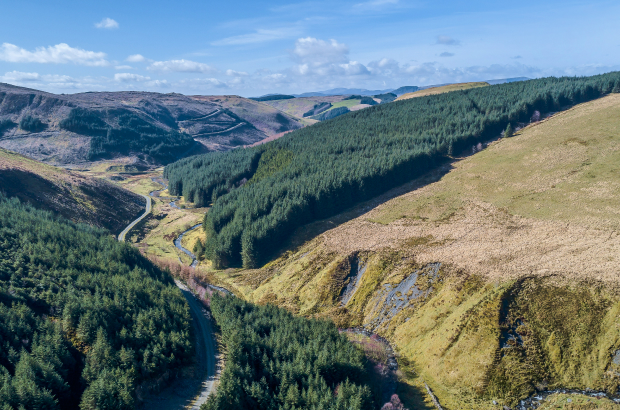
Their combination of outstanding natural landscapes, rich cultural heritage, working farms, wildlife, locally produced food and drink, and space for recreation provides a strong platform for delivering unique visitor experiences.
In addition to domestic visitors, Scotland also attracts around 4 million international travellers each year, many of them from North America and, increasingly, China and India. There are some anecdotal reports that one of the big attractions for some international visitors this summer has been the chance to escape the heat and enjoy Scotland’s cooler climate – a trend known as ‘coolcationing’.
There are rural estates which already attract significant footfall because of the wider access rights that apply in Scotland and many already offer accommodation, such as holiday cottages, lodges, camping and glamping, alongside a wide range visitor attractions.
But there remains scope for landowners to expand or enhance enterprises that attract a broader range of domestic and international visitors, encourage longer stays and create new, diversified income streams. This can offer wider benefits in terms of generating employment and provide estates with an important opportunity to share their story about what they do and why they do it.
Sustainable nature-based tourism can also help to generate new revenues which can be invested back into restoring habitats and natural capital assets. Welcoming visitors and engaging openly with people who live and work in the locality is a valuable way to build understanding of how land is managed and the role estates play in supporting the environment, rural communities and the economy.
Types of experience activities
Nature-based tourism: Nature-based tourism involves experiences where the primary motivation is to enjoy and engage with natural environments, landscapes and wildlife.
Examples include walking and hiking trails, guided wildlife photography or estate safaris.
Adventure and outdoor recreation: Many estates and farms provide active outdoor experiences, including mountain biking, zip lines, camping, glamping, and water sports on rivers and lochs.
Wellness tourism: This focuses on improving physical and mental wellbeing through immersion in nature and slower-paced experiences. Examples include wild swimming, forest bathing, wood-fired saunas and outdoor yoga.
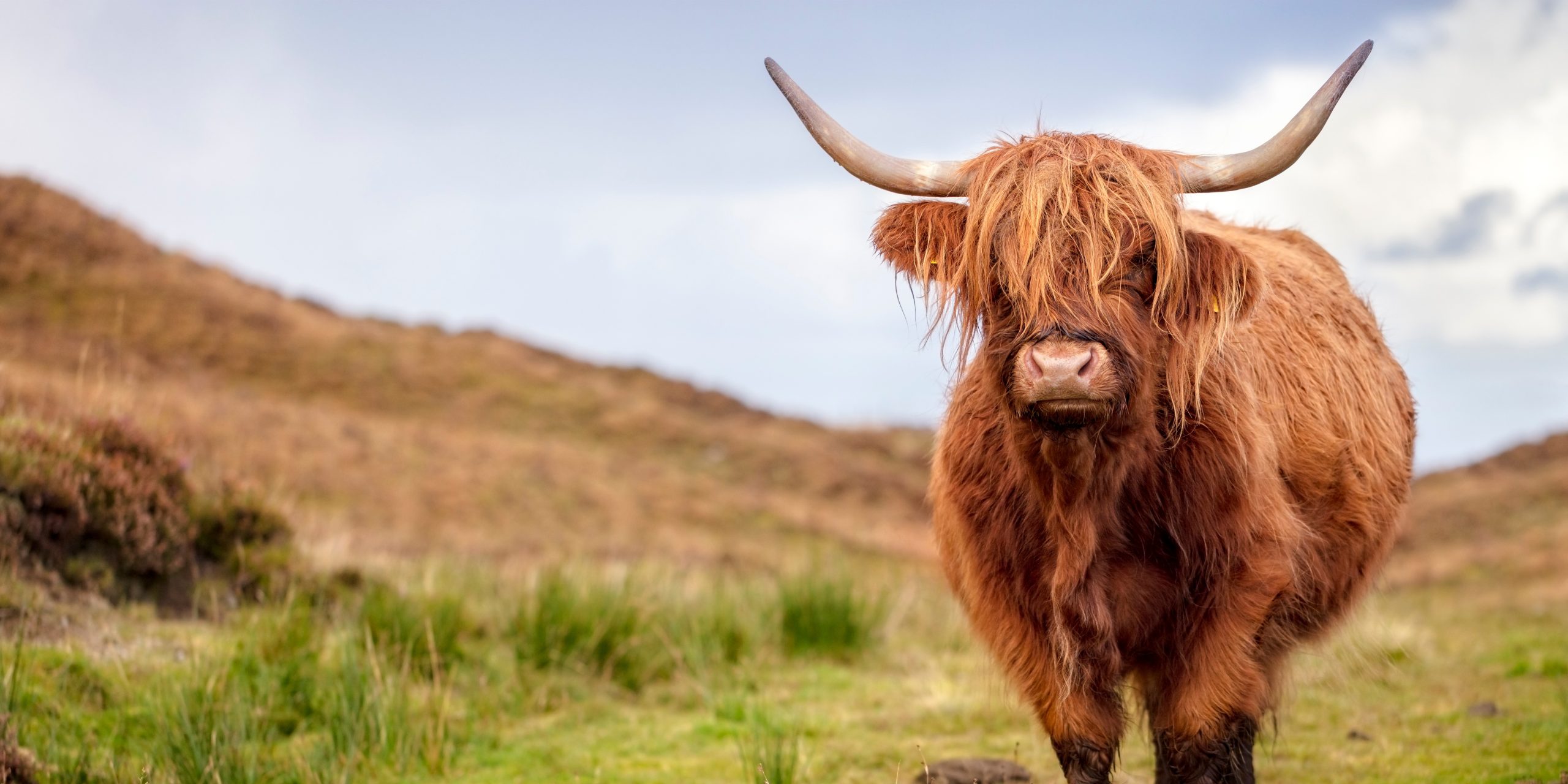
Agritourism: Visitors get to experience working farms and agricultural life, often through hands-on participation. Examples include farm tours, lambing events, Highland cow safaris, farm stays and educational visits.
Food-based experiences: Food tourism allows visitors to connect with local produce, farming and Scotland’s food and drink heritage. Examples include farm shops, butcheries, cafes, brewery tours and seasonal food festivals.
Cultural and heritage experiences: Estates have castles, historic houses, gardens, archaeological features and centuries of history that can be interpreted through tours, events and cultural programming. Music festivals, concerts and open-air cinema showings are also popular.
Screen tourism: Screen tourism refers to visits inspired by locations featured in film, television or literature. Scotland has benefited significantly from productions that showcase its landscapes and historic properties, including Outlander and The Traitors.
Noctourism: Interest in nocturnal tourism has grown in recent years and includes providing dark sky stargazing opportunities, nocturnal wildlife watching and aurora viewing (when conditions allow).
Sporting experiences: Scottish estates continue to offer traditional country sports, either independently or alongside other visitor experiences including deer stalking, game shooting and fishing.
Considerations for rural landowners
While there are opportunities for more rural landowners to capitalise on continued growth in the experience economy, developing visitor experiences is not for everyone. Visitor expectations are growing, with guests often seeking a personal experience and wide access and landowners may take the view that it is just not for them.
The introduction of any new enterprise takes careful planning, to ensure the experience being offered is authentic, commercially viable and environmentally sustainable.
The importance of forging a connection cannot be underestimated in the way estates and land managers engage with visitors. Offering a meaningful experience, that feels unique to each individual, creates an immeasurably valuable link between someone and the place they are visiting, which will extend far beyond the length of their visit.
People who feel connected to the rural landscape in which they spend their leisure time, will also carry that connection and understanding with them, positively shaping the messages they convey to others.
Landowners therefore need a detailed understanding of their target audiences, the experience they want to offer and how they will stand out in a competitive market. Whilst the returns can be exciting the investment required is normally significant and includes infrastructure and facilities, such as renovation work, carparks, toilets and interpretation, but also staffing costs, marketing and booking systems.
The compatibility of the enterprise with existing estate operations is also key. There will be questions around whether the existing team has the transferrable skills to deliver projects and entertain guests or if additional people will need to be recruited.
Depending on the activity there is also a growing range of requirements to consider, whether it is short term let licencing, planning permission, insurance, food safety regulations and health and safety requirements.
Increasing visitor numbers can also be a challenge in terms of managing sensitive habitats, so consideration needs to be given to issues such as how to minimise disturbance to wildlife and waste management. As with every challenge, however, there is an opportunity in such situations for landowners to educate and inform visitors about these special sites and their importance.
The experience economy is not a new phenomenon, and many Scottish estates and farms already offer successful visitor experiences. However, as consumer expectations change and returns from some traditional estate enterprises come under pressure, there is value in exploring whether there are new opportunities to diversify to build business resilience.
Strutt & Parker’s team has extensive experience in helping rural landowners to develop experience-based attractions. Please contact Matthew Kirkwood for more information.
*The survey was carried out by Opinium on behalf of Grant Thornton UK and published in July 2026.
** https://www.mastercard.com/news/europe/en-uk/newsroom/press-releases/en-gb/digital-detox-brits-ditch-screens-for-in-person-experiences-this-summer/