From fields to florists: the potential of British cut flowers
The UK’s cut-flower sector is undergoing a significant revival creating new opportunities for UK farmers.
For decades, the market has been dominated by imported stems, particularly from the Netherlands, Kenya and South America, while domestic production has steadily dwindled.
Yet British growers are slowly reclaiming market share, as sustainability goals and consumer preference drives demand.
A sector in growth
The industry now has more than 1,000 cut-flower growers across the UK, represented by the trade organisation Flowers from the Farm.
A significant milestone was reached this year when the sector was allocated its own Standard Industrial Classification (SIC) code, allowing its economic contribution to be tracked in official Government statistics for the first time.
Current data values the industry at over £33 million a year – but British flowers also play a vital role in the £14 billion wedding industry, where demand for local, seasonal blooms is surging.
Maria Hollis, floral designer and founder of Cotswold-based Luna in the Wild, has witnessed this shift firsthand.
When she founded her business eight years ago, all her flowers were sourced from the Netherlands. Today she exclusively uses British-grown stems – a choice which she says is becoming increasingly mainstream. “It has become almost frowned upon not to be using British.”
The move away from imported flowers has come about as the industry focuses on improving sustainability.
Wedding floristry is inherently ‘throwaway’, with flowers often used for a single event, prompting florists to look for ways to lower their environmental footprint, explains Maria.
Cost is another consideration with the price of Dutch-sourced flowers increasing noticeably in price since the UK left the EU.
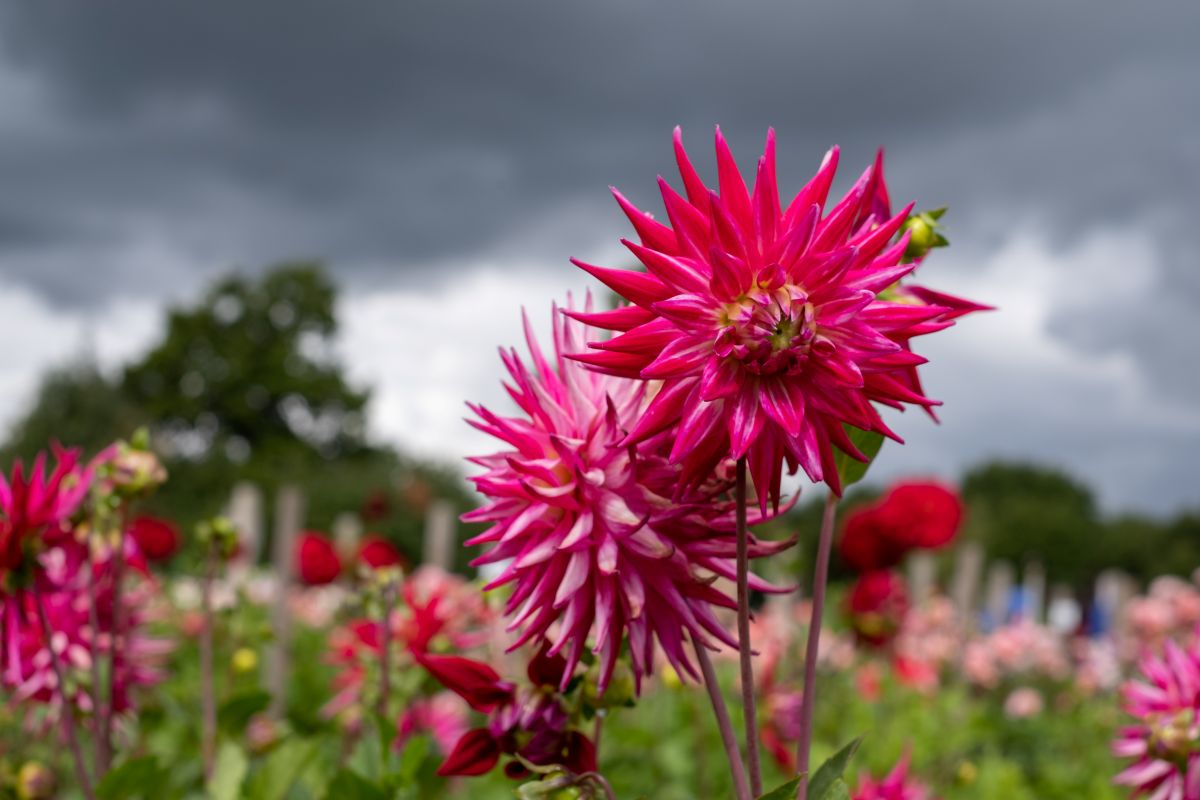
But the trend also reflects a deeper appreciation from both florists and brides for the more seasonal, fragrant and natural aesthetic of British blooms – which are often grown without the use of chemicals.
“When you buy British flowers, it does feel like you are buying nature rather than an engineered bit of floristry. The imperfections – the wiggles and craziness of different stems – are what makes them beautiful.”
Diversification potential
For farmers, a small, well-planned cut-flower enterprise has potential to be a high-margin diversification that dovetails with sustainability goals, and biodiversity incentives, says Head of Farming Natalie Gaibani.
Additional revenues can also be generated by tapping into the growing appetite for farm-based experiences, with growers often hosting pick-your-own experiences or offering guided bouquet-making workshops.
As a venture, it is not without challenges. Frost, drought or heavy rain can have a significant impact on productivity, while labour requirements and logistics require careful consideration.
“There are flowers than can thrive in the open field, but a modest polytunnel can offer protection from wind and frost, while proper drainage and drip irrigation will mitigate excess water and drought stress. However, the up-front capital costs of this can be intimidating. A phased investment, supported by grant funding where available, is the most pragmatic approach.”
Maria stresses the value of growers talking directly to florists, so they understand how the industry works, what their needs are and what the competition looks like.
“I’d say event floristry – especially weddings – is the biggest opportunity for British flowers, as peak season aligns with demand.”
The e-commerce platforms offered by the leading Dutch suppliers are a bit like ordering from a supermarket, she says, in that you can order almost anything online and have it delivered the very next day.
And while florists recognise that working with British flowers does require a greater degree of flexibility – depending on the season different flowers will be at their best at different times – they do need reliability in terms of quality, quantity and colour.
“For weddings you do need to be able to stick to a colour palette. You don’t typically want small mixed buckets of whatever is in the garden.”
The logistical hurdle of matching supply with demand is where regional flower hubs play an invaluable role, says Natalie. “These collective networks which are increasingly springing up across the UK allow groups of small-scale growers to streamline their distribution and fulfil larger contracts by coming together.”
If you would like to talk about cut flowers as a potential diversification, contact Natalie Gaibani.