Good fruit, tougher market: UK vineyard survey highlights commercial pressures
The survey, carried out in the summer of 2026, asked vineyard owners and managers how different factors affected their businesses during the 2025 production year.
A total of 99 respondents, representing around 9-10% of vineyards in Great Britain and approximately 18% of the total vineyard area, shared their experiences giving the survey a broad view of the pressures facing the sector.
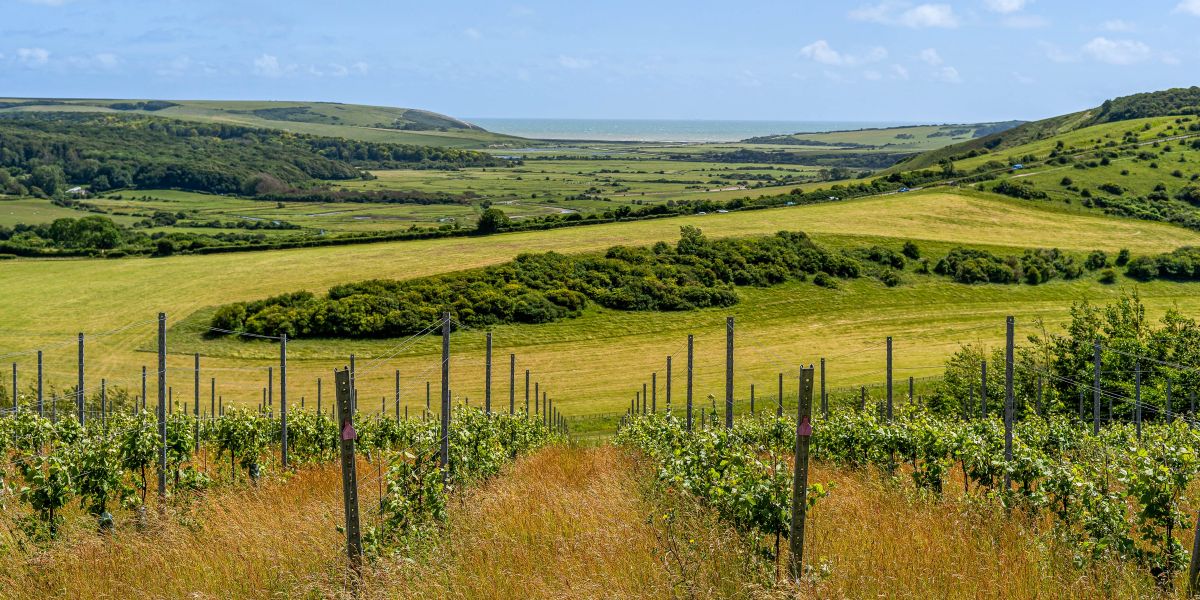
Unsurprisingly, weather and climate had a greater impact than usual for 61% of respondents, with respondents reporting it was a good year for growing. Some 44% also said the good quality of fruit had a greater positive impact on their business than normal.
The commercial picture was more difficult. Cash flow and cost management each had a greater impact than usual for 42% of respondents, while 37% pointed to challenges around demand and customer spending and 35% to marketing and selling their wine.
Nick Watson, Head of Viticulture, said: “Taken together, the responses suggest that the sector is moving into a different phase. The central question is no longer simply whether producers can grow good fruit and make excellent wine, but how they build a viable business around it, including matching the style of wine they make to market demands, who they sell it to, and how.
“I can see more businesses consolidating their growing and focusing on tourism and marketing. A sound commercial plan now matters as much as skill in the vineyard and winery.”
The survey also raises the possibility of producers working together further along the chain, on both production and marketing. Stephen Skelton MW, who has been involved in businesses growing vines and making wine since 1975, sees collaboration as one way to address the commercial pressures.
He said: “Thinking about joint marketing and production has been around for years, but we in the UK are not co-operative focused. In Nova Scotia, Tidal Bay is an enterprise where the producers meet and state what they think they can produce. The wine is individually produced, bottled and sold but is marketed under the Tidal Bay brand. It has created a middle-priced £9-10 bottle of still wine,
“This feels like a way of producing still wine that the UK industry could look to. The cost of contract wine making is quite high in the UK and it feels like we could get a reasonable price from retailers if they were offered an approach like this. It does not feel like we can get growing costs down very much, yields are limited but we could get wine production costs down to a reasonable level.”
Most respondents reported no change in the impact of structural factors such as storage, winemaking, know-how and labour availability. Some businesses did report difficulty finding skilled workers, particularly for harvest, but these pressures were not widespread across the survey.
Download the full report on our Vineyard Business Survey here.
Related Articles
View All Articles
Buoyant UK wine sector bucks worldwide trends

Sussex Wine wins legal protected status
Demand for UK vineyard land shows no sign of slowing
How Domaine Evremond’s vision is becoming a reality