Eight key themes for the rural sector in 2026
Succession planning, strategic clarity and sharper scrutiny of business performance will be defining themes for the rural sector as we head into 2026.
2025 ended on a more positive note than many expected – thanks to a surprise increase in the inheritance tax relief thresholds which will apply from April 2026, which will significantly reduce the tax burden facing many businesses. However, we are still entering a pivotal period for farming and estate businesses, with erratic weather, volatile commodity markets, rising labour costs and changes in policy also putting farmers and landowners under pressure.
These challenges underscore the importance of both strategic planning and management excellence to keep businesses firmly on the front foot.
However, there is cause for cautious optimism. Land – and what it can offer society – has also never been more in demand, opening the door to potential new income streams. We believe that opportunities for business growth and improvement exist for those who are willing to explore new approaches and act decisively.
Below our land and property specialists highlight the major issues and themes likely to define the year ahead:
Succession planning to remain a priority
The announcement on 23 December that the level of the Agricultural and Business Property Reliefs threshold will be increased from £1m to £2.5m per spouse, when it is introduced in April 2026, has been met by relief within the rural sector. It is a significant change which reflects widespread concern about the impact of the IHT changes on family farms. Our own modelling work had highlighted that, even with the option to spread IHT over ten years, affordability could be a real challenge for many businesses.
The move should help to remove many smaller farms from the scope of the reforms – although there will be businesses which are still impacted, for example where two allowances are not available. While it will also reduce the tax burden on larger farming and estate businesses – it does not remove it completely. This means it remains essential for farms and estates to revisit their tax and succession plans with their professional advisors.
Farmers should ensure they are making full use of the reliefs that will remain available and assess options to reduce their liability. But they should avoid making decisions which could compromise the future of the business in a bid to save tax. A current and accurate valuation is essential to inform discussions, and succession plans should be reviewed regularly to ensure they stay aligned with the realities on the ground.
Farm profitability under sustained pressure
The combination of the loss of Basic Payments, extreme weather, weak commodity prices and rising labour costs means farm profitability will remain under strain. Analysis by the Energy and Climate Intelligence Unit (ECIU) estimates arable farmers lost more than £800m in revenue during the 2025 spring and summer drought, with livestock farmers also facing forage shortages and high straw costs this winter.
The Farming Profitability Review 2025, an independent review led by Baroness Minette Batters, highlighted that many farmers are currently questioning the viability of their farming businesses. The review set out 57 recommendations, for both Government and industry, to improve business resilience. The Government has said it will publish its formal response in early 2026 through its Farming Roadmap.
Despite this challenging backdrop, there is room for improvement on many farms. Businesses which focus on the areas they can control – from budgeting and benchmarking to performance monitoring and de-risking – tend to deliver more resilient financial results. Part of de-risking will be making changes to become more climate resilient. Those prepared to adapt and take a forensic approach to every detail of their business are the ones most likely to prosper in the years ahead.
Strategic business planning comes to the fore
Against the backdrop of the IHT policy changes and lower margins, structured strategic business planning is becoming increasingly important. A farm business review – or full strategic estate review – allows families to clarify their long-term goals and see if changes are needed to what they do and why.
A fresh, external perspective can be transformational, helping unlock new ideas, challenge assumptions and open up conversations that may have been delayed. We are already seeing businesses restructure operations to improve efficiency and unlock new income streams and expect this trend to accelerate through 2026.
Rising regulation in residential property management
Let property is a major income stream for many businesses, and the upcoming reforms to the private rented sector will have far-reaching implications. From 1 May 2026, the phased introduction of the Renters’ Rights Act will begin, converting all Assured Shorthold Tenancies into periodic tenancies, abolishing Section 21 ‘no fault’ evictions, and introducing new rent review procedures.
This is one part of a wider shift. Landlords will also face a 2% rise in tax on property income from April 2027 and tighter MEES rules from 2030. Returns are likely to come under pressure, particularly where improving energy efficiency is complex and costly. However, rural landlords often take a longer-term view and, if other landlords exit the market, rural portfolios could benefit from firmer rents and reduced void periods.
Farmland market steady despite polarisation
The farmland market has become more polarised, but remains fundamentally resilient. Although average values softened slightly in 2025, they remain high by historical standards, with 60% of arable land in England still achieving more than £10,000/acre.
Caution rather than lack of confidence is shaping decisions. Demand will vary by location, so some properties will take longer to find a buyer, but the underlying fundamentals remain stable.
SFI support to come back on-stream
The revised Sustainable Farming Incentive is expected to reopen in the first half of 2026, likely with more targeted options and new caps in place for some actions. Following the unexpected pause of the scheme in March 2025, demand is likely to be high.
Farmers should start assessing which options could work for their farming system and model the financial impact in advance. Although SFI remains an important source of replacement income following the loss of BPS, the pause has underlined that it should complement – not underpin – the long-term business model.
There are also other grants available, which are narrower in focus than the SFI, but still valuable. For example, many water companies offer schemes that support projects to improve water quality, reduce soil erosion and boost biodiversity. Other private sector funding opportunities are also expanding. In 2025, a number of high-profile ‘carbon-plus’ agreements came to market, supporting ambitious natural capital projects that combine environmental, biodiversity and social benefits. We expect this area to continue growing in 2026.
Diversification to accelerate as businesses spread risk
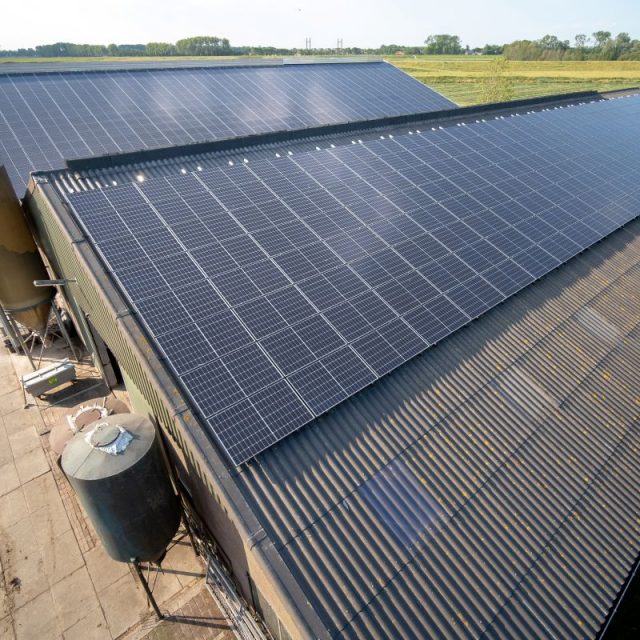
Diversification is set to play a bigger role in 2026 as farms and estates look to widen income streams and reduce their reliance on agricultural returns. Renewables, tourism, leisure, natural capital projects, commercial space and food enterprises are all gaining traction.
However, diversification must align with the wider farm or estate strategy, as projects can require significant capital, management time and specialist skills. The most successful businesses will be those that select opportunities that reinforce, not distract from, their long-term objectives. Landowners are also increasingly looking for projects that add social value – environmentally, socially and economically – and will want to avoid ventures that might prove detrimental to their local communities.
Making Tax Digital (MTD) for Income Tax takes effect
The Making Tax Digital for Income Tax initiative starts in April 2026 for self-employed individuals and landlords with qualifying income over £50,000. Instead of submitting an annual tax return, people will be expected to make quarterly updates of income and expenditure to HMRC and then a final ‘end-of-period’ declaration. It is a change that adds complexity to reporting procedures and professional support may be needed.
It was agreed just prior to Christmas that sole traders using profit averaging will have until April 2027 to comply. Partnerships, companies, trusts and certain special cases are also currently excluded from the first phase of the rollout of the scheme, although HMRC expects to review this later. Those with qualifying income above £30,000 will be required to use MTD for Income Tax from April 2027. The threshold will then decrease to £20,000 from April 2028.
Note: This blog post was updated on 02/01/26 from a previous version to reflect a number of announcements made over the Christmas period.