Use SFI 2026 to cut risk and build business resilience
Farmers now have enough detail to begin preparing for a 2026 Sustainable Farming Incentive (SFI) application.
This is an opportunity to look ahead and consider how SFI could support your business in terms of strengthening resilience, de-risking and shaping a farming system that works for you over the long term.
SFI 2026 – key changes
Although the size of the total SFI budget is still to be confirmed, which will govern how many agreements can ultimately be offered, we do now have clarity on what actions will be available and the payment rates that will apply.
The headline details of the scheme are that there will be 71 options on offer in 2026, down from 102 in SFI 2024, with the value of agreements capped at £100,000 per year.
Various other aspects of the scheme will also be tightened, for example, there will be an area cap for the enhanced overwinter stubble action (AHW7) and any five-year actions will become three-year actions.
Payment rates for moorland actions will be increased, while those for herbal leys, winter bird food and legume fallows will be reduced (see table below for main changes). The SFI management payment has been withdrawn.
| Action / Category | Previous Rate | Proposed 2026 Rate | Change |
| Herbal Lay (CSAM3) | £382/ha | £224/ha | Reduced |
| Winter Bird Food (CAHL2) | £853/ha | £648/ha | Reduced |
| Legume Fallow (CNUM3) | £593/ha | £532/ha | Reduced |
| Moorland Grazing (UPL1) | £20/ha | £35/ha | Increased |
| Management Payment | £50/ha (plus first-year uplift payment) | £0 | Removed |
| Number of available actions | 102 | 71 | Reduced |
The scheme will reopen in June 2026 for farms under 50ha or for applicants who do not have an existing SFI, stewardship or other ELM agreement. Other applicants will have to wait until September 2026.
Although the annual cap of £100,000 per farm is a significant change, this appears to be a fair way of sharing the income to avoid the situation which had arisen previously where 4% of farms received a quarter of the budget.
Next steps
Given it is unclear exactly how much funding will be available in each window, we would encourage you to prepare your application in advance and be ready to submit when the relevant window opens.
Around 44,500 farms in England already had some form of SFI agreement in 2025, which is the majority of qualifying farms.
Almost half of these agreements date back to SFI 2023 and some may have actions due to expire by September 2026.
This suggests that the June window may not be heavily subscribed, but interest in September is likely to be high.
In terms of how the SFI can fit within your strategic planning, the agreements are not long and as we saw in 2025 there is no guarantee of what future funding may look like.
However, the scheme is still well worth considering.
Many of the SFI options involve good regenerative farming practices and can be used by businesses seeking to redefine their farming methods to reduce exposure to volatile input prices and weather events.
When transitioning to a lower input farming system, there can often be a period of adjustment where profit margins suffer, but SFI provides an opportunity to bridge that transition.
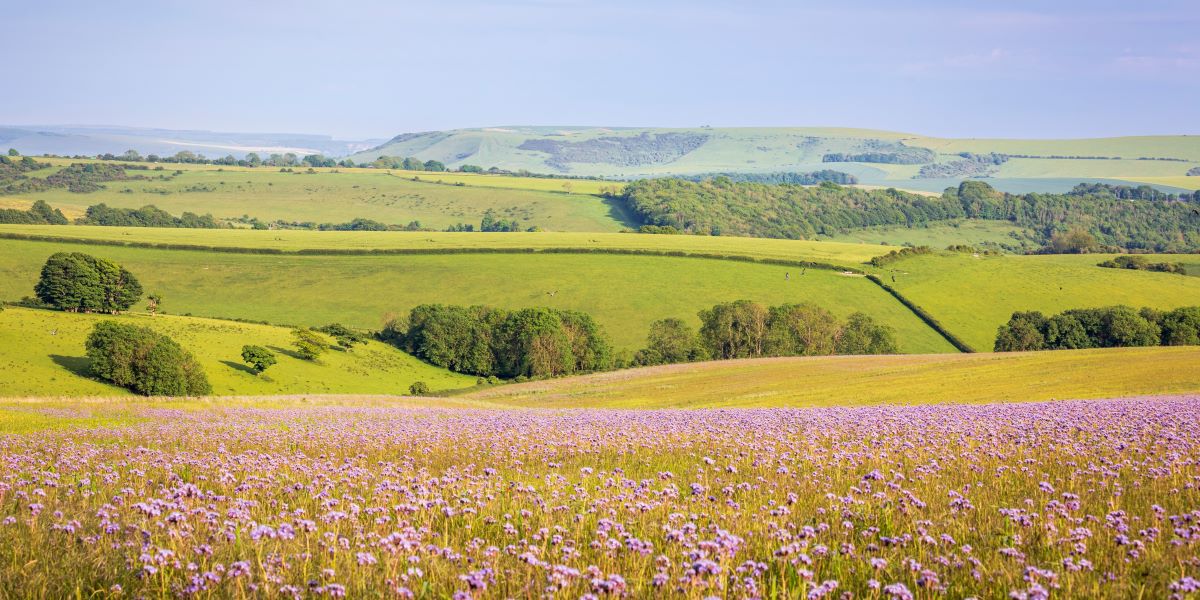
For example, SFI offers a payment of £45/ha for no use of insecticides, and £798/ha for in-field strips or margins containing flower mixes, with the idea being to attract natural predators for insects that affect arable crops.
However, once these are established there should be a direct saving to the farmer in not paying for insecticides, and the same theory can apply to measures that improve soil health such as over-winter cover, legumes and no-till.
It will be important to think through the potential implications for the timing and quantities of seed orders for the autumn.
For rarer seed mixes, it might be advisable to reserve an order with confirmation possible after funding is confirmed.
SFI payments provide an opportunity to experiment or try new systems to find the best way forwards for your farm, which can provide resilience without long-term impact on your gross margins.
For help on making an SFI application, particularly as a way of moving towards a more regenerative or lower-impact farming system, please get in touch with our farming team who would be happy to advise you.