Rights of way: Time to review Section 31 (6) deposits
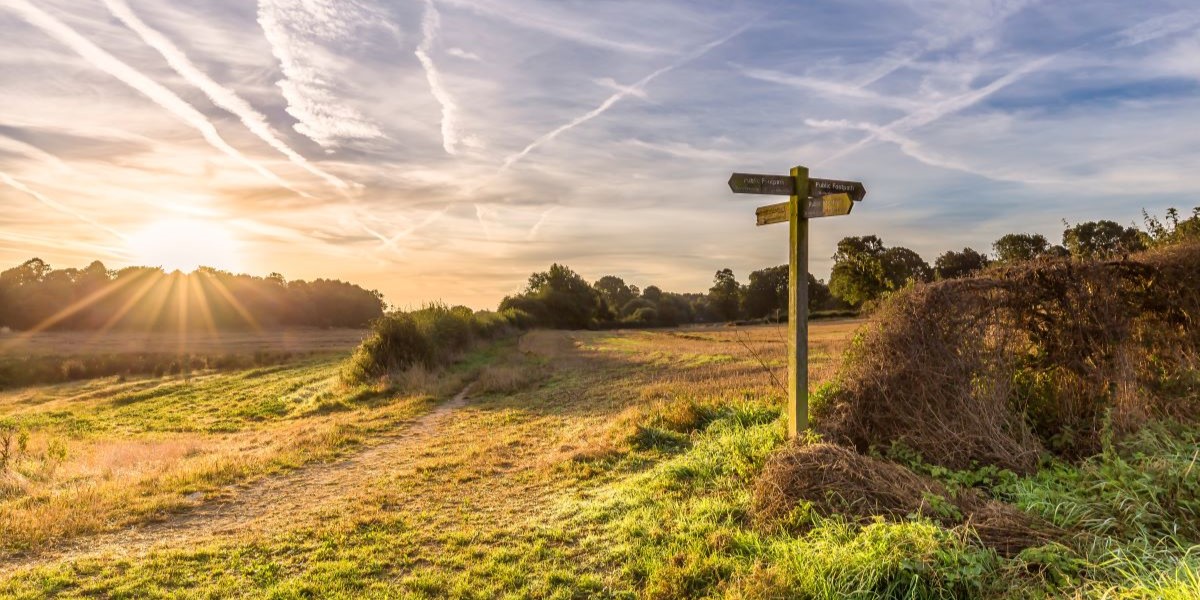
Most landowners have some form of public right of way running across their farm or estate, providing walkers with the opportunity to explore and enjoy the countryside.
The warm weather may have led to increased use of these routes, making this a useful time for landowners to take stock and check that paths are being used as intended.
Walkers can unintentionally create alternative routes by taking shortcuts. If these are used regularly over time, there is a risk that this could give rise to a claim for a new right of way.
Access to nature brings important health and wellbeing benefits, but landowners are likely to want to take steps to protect their own long-term interests.
A Section 31(6) statement and declaration under the Highways Act 1980 allows landowners to formally record that they do not intend to dedicate any additional public rights of way over their land.
This is done by submitting a CA16 form to their relevant local authority, which includes a highways statement and a map identifying existing rights of way.
Once the deposit has been lodged, new routes should not be able to acquire public right of way status through long-term use.
Landowners who are yet to submit a Section 31 (6) deposit may wish to consider whether now is the right time to put one in place – particularly where there are signs that walkers are straying from existing footpaths.
Even where no public rights of way exist it may still be worthwhile making an application to protect against any rights of way being created in the future.
As part of a C16 application, it is also possible to seek protection for a land being registered as a town or village green. However, where there is already some form of unauthorised use this requires careful consideration, as the act of making the application can trigger someone to make a claim for village green status.
The cost of making a C16 application varies between local authorities and depending on how many parcels of land are to be included.
Landowners who have already submitted a Section 31(6) deposit should also check when it is due for renewal, as existing deposits are time limited.
Deposits submitted before October 2013 were valid for 10 years, while those submitted after that date are valid for 20 years. Given these lengthy periods, it can be easy for renewal dates to pass unnoticed, so keeping track of when action is needed is an important housekeeping exercise.
Any renewal declaration must be submitted before the date of expiry of the existing deposit. It will confirm that no new rights of way have been dedicated since the date of the deposit of the original map and statement.
Historic rights of way
Section 31 (6) deposits will not protect landowners from claims for historic rights of way to be added to the Definitive Map – the legal record of all public rights of way in England and Wales.
There is currently no cut-off date for recording historic rights of way under the Countryside and Rights of Way Act 2000, which means these claims can continue to come forward.
Many local authorities are dealing with significant backlogs in such claims and so it can take several years for cases to be even looked at.
Professional support is likely to be needed by landowners if they want to challenge claims.
If you would like to review access arrangements across your farm or estate and ensure everything is in order, please contact Matthew Scott.