Land Business Update | Week Commencing 4 May 2026
Farming & food
Farmers without an existing ELM agreement should consider applying for SFI26 (England)
The government has published some initial guidance for farmers who are eligible to apply in the first application window, which is expected to open in late June. They are farmers who (i) did not have a live, RPA-administered ELM revenue agreement on 1 January 2026 or (ii) are a small farm (less than 50 hectares but more than 3ha). The Rural Payments Agency has recommended that anyone considering applying should check that their contact details and digital maps are up-to-date. Full scheme information will be published before the window opens in June 2026, although it is a shame that it has not been published yet. A second window for everyone else will open in September. There has been no information on the split of funding between the two windows. The windows are expected to remain open until their budgets are allocated, which makes applying early important.
Flower strips reduce aphid populations in sugar beet (EU)
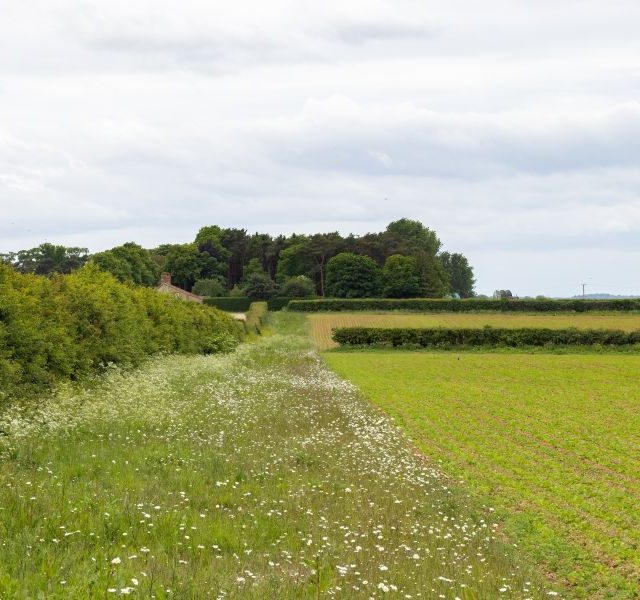
The researchers tested flowering strip mixtures on 10 sites across Germany and measured aphid infestation, biocontrol and yield in sugar beet. All of the flower mixtures reduced aphid populations more effectively than controls without flower strips, with some mixtures performing as well as insecticides. Mixtures containing legumes were particularly effective against aphids, likely due to their attraction of specific predators. Sugar beet yields were similar in all plots, regardless of flower mixtures or insecticide treatment. The researchers conclude that in-field flower strips or legume-based intercropping systems can help reduce reliance on pesticide use in agriculture, and possibly be a back up if the decision to spray insecticides is delayed, or no insecticides are sprayed at all.
Natural capital & environment
Wild Again: Restoring England’s Wildlife – a new campaign (England)
The campaign brings together the Government’s existing and future work to protect and recover native species. Over the past three decades, the Species Recovery Programme has helped protect some species. Funding for it has now been doubled to around £20m a year. The first five species set to benefit from the new funding are turtle dove, diamond-backed spider, red-billed chough, oystercatcher and the glutinous snail.
Fast-track breeding of disease-resistant ash (UK)
Researchers at the John Innes Centre in Norwich, who have reduced the germination time of ash seeds from around six years to about a week, are now working on simple instructions so that gardeners, land managers and volunteers can help grow resistant trees to repopulate the country. Ash die back was first seen in the wild in Great Britain in 2012 and The Woodland Trust estimates that the UK could lose up to 80% of its ash population. The thinking is that growing the plants from seed, rather than cloning, helps preserves genetic diversity, which gives them better protection against pests, diseases and climate changes. The new method can produce plants that can be planted outdoors at around a year old.
Over one million hectares of land burned by wildfires in Europe in 2025 – the most destructive wildfire season on record (EU & Scotland)
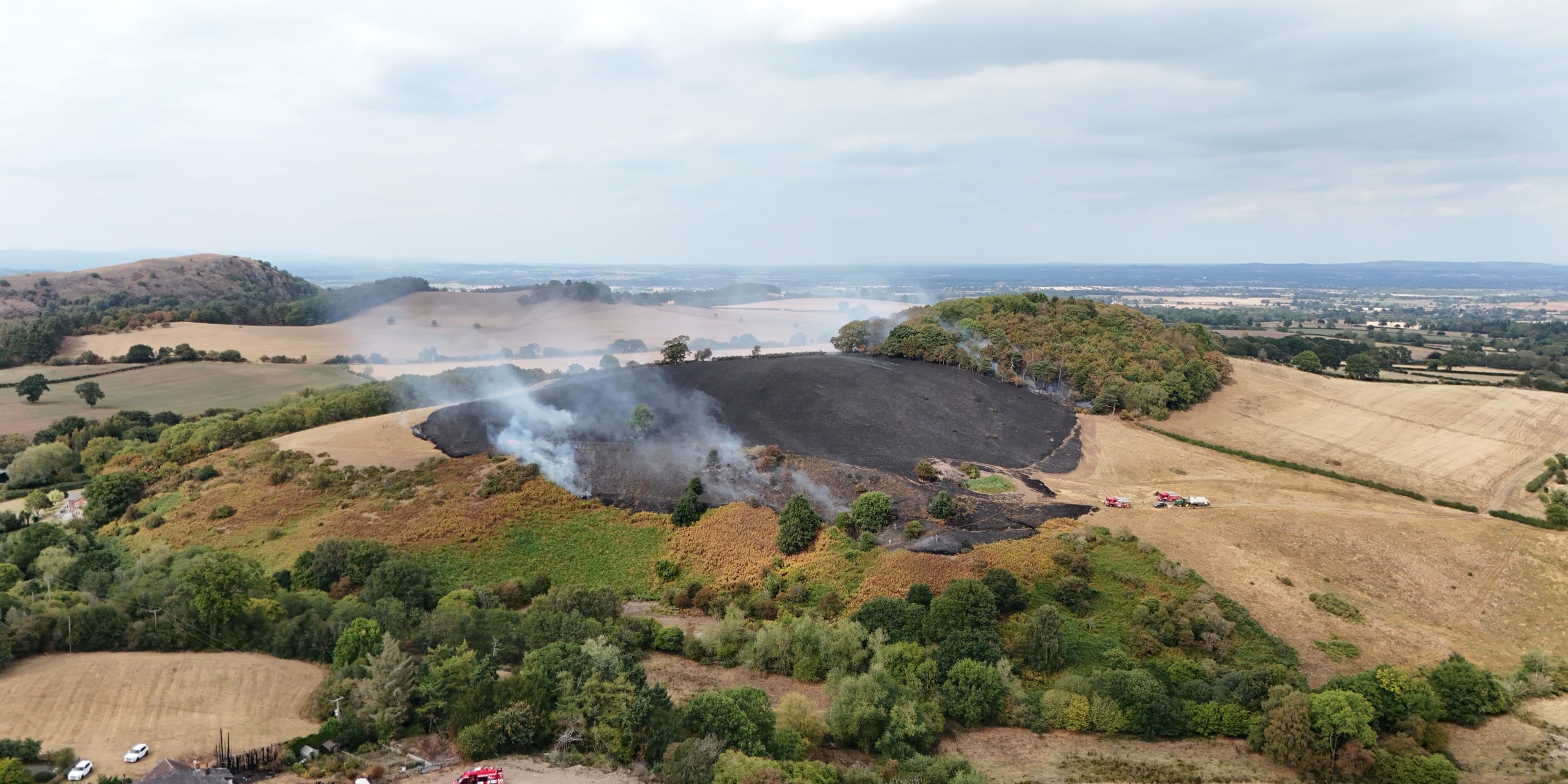
A prolonged heatwave in southern Europe lead to almost double the area being burned than in recent years. 2025 was also the worst year on record for wildfires in Scotland, with 239 recorded, and firefighters have warned that the moorland and forest blazes are now one of the biggest threats facing rural communities in Scotland. A new strategy for Scotland has been rolled out for March to May, which is the country’s busiest three months for wildfires. It includes new equipment and using volunteers and equipment from local communities to help tackle blazes.
Rural economy & property
Law Commission to review the environmental laws that apply to agricultural businesses (England)
The project, commissioned by the government, aims to identify opportunities to simplify and modernise environmental legislation. It will focus on areas of legislation which have the most significant impact on the farming or land management activities of businesses. It may also look at barriers to effective enforcement and the extent to which the current framework relies on prescriptive rules rather than outcome‑based approaches. A consultation is planned for 2027.
Rural communities are required to be fully considered under an amendment to the devolution bill (England)
An amendment that requires that rural and coastal communities are fully considered by new Strategic Authorities, which is a new layer of government, has been added back into the English Devolution and Community Empowerment Bill, although it is still subject to final agreement. Various rural stakeholders had been lobbying for it to be added, saying that it should help ensure that the needs and opportunities of rural communities are properly considered, and that a more balanced approach to growth is taken across urban and rural areas, as devolution expands beyond predominantly urban areas.
The Queen Elizabeth Trust is established to focus on regenerating shared spaces that bring people together (UK)
The new UK-wide independent charity has been established on the centenary of Queen Elizabeth II’s birth to honour her lifelong commitment to public service. It will work with communities and provide funding and support to restore and sustain shared spaces at the heart of local life. Projects could include transforming underused buildings, green spaces or neighbourhood hubs. Funding will also help communities ensure they have access to the skills and training they require to deliver local events. The Government has provided a £40 million endowment for initial funding and to catalyse future fundraising. It is one of three memorial projects and further information on the funding criteria will be published in due course.
AI being trialled in making planning decisions (England)
The Google-built Augmented Planning Decision Tool will make recommendations on whether to grant or refuse permission, as an aid to planning officers, who will continue to sign off the recommendations. For large or complex applications, it may also be used to give planning officers a framework to use as it can read and synthesise large amounts of information. The trial will start imminently. It may also be used to counter AI generated objections, which are increasing. The Royal Town Planning Institute has warned not to, “replace the expert judgment and discretion of professional planners, acting transparently”.