Land Business Update | Week Commencing 23 March 2026
Farming & food
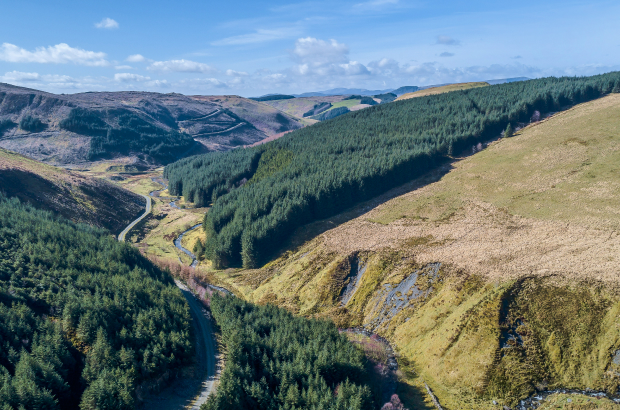
The Land Use Framework for England (England)
The government has published England’s first ever Land Use Framework. It provides ‘broad direction that can inform decision-making on multifunctional and efficient land use’, based on ‘the most advanced spatial analysis ever undertaken in this country’. The document repeatedly states that:
- The analysis is intended to help inform approaches to decision-making, not prescribe what will need to happen where.
- That it is for local areas and regions to adopt or adapt the vision set out in the document to match their priorities and shape their own plans for efficient land use.
- England has enough land to deliver all of the national objectives, provided land is used in a more efficient and multifunctional way.
The Framework will be a ‘living document’ that will be updated every five years, like the carbon budgets produced by the Committee on Climate Change. There is also a lot of detail, scattered throughout the document, on the organisations, structures and plans that will affect land use decisions nationally, regionally and locally. The Framework includes four land use principles that inform spatial planning at the national government level:
- Multifunctionality: land use should be planned and managed to deliver greater benefits across a range of outcomes.
- Right use, right place: land should be used in ways that align with local context.
- Future-ready decisions: land use decisions should take a long-term view, taking amount of best available evidence.
- Adaptive by design: land use policy and delivery should be flexible enough to respond to changes.
NB The principles are not intended to be a material consideration in planning decisions or in local plan making.
S&P comment: our initial reaction to the Framework is that It is a very wide ranging and ambitious document that contains a massive amount of detail, creates new links between groups and will require a lot of effort to deliver what it aims to. It proposes a major rewiring and reorganising of how land use is planned, delivered and monitored. While many elements will be welcomed by most people, there are some elements that are overtly more political, such as making who owns what land and who receives public funding for various actions more transparent and exploring licensing for recreational gamebird shooting and release. For farming, it will be an important document that is part of the suite that includes the Farming Roadmap (due later this year) and sector plans.
Farming Equipment and Technology Fund – apply now for 2026 and don’t forget 2025 claims (England)
The scheme provides grants for machinery, equipment and technology items which will help to cut costs and drive efficiency on farm. As before, funding is available under three themes – farm productivity (with 70 options available), slurry management (17) and animal health and welfare (over 100) – with applicants able to apply for up to £25,000 under each of the three themes, so potentially £75,000 across all three. The scheme is competitive and so funding is not guaranteed. Each item has a pre-assigned score and applications are ranked accordingly, with funding allocated to those achieving the highest scores first. The grant covers 40-50% of the cost of each item, with farmers needing to fund the rest. In 2025, over 8,800 grants were offered to applicants. Applications close on midday on 28 April 2026. If you would like any more information or help with making an FETF application, please contact Natalie Gaibani or Amy Care. Also, don’t forget that claims for equipment bought through the 2025 grant should be submitted by midday 31 March.
Stronger protection for livestock from dog attacks (England & Wales)
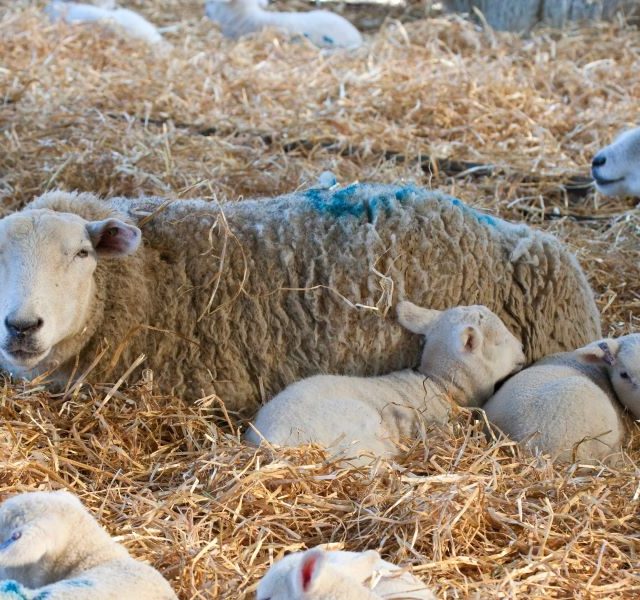
The Dogs (Protection of Livestock) (Amendment) Act 2025 introduces stronger and more up-to-date powers to prosecute people whose dogs worry or attack livestock. Shockingly and almost unbelievably, almost 90% of sheep farmers said they had experienced a dog attack on their flock in 2024, according to a National Sheep Association survey. There are a range of changes to powers, including increasing the maximum penalty for livestock worrying to an unlimited fine, from £1,000. Police also now have powers to seize a dog where they have reasonable grounds to believe it has attacked or worried livestock. They can enter premises to get evidence or animal DNA.
Natural capital & environment
Felling licence timelines reviewed for larch species in high-risk areas (England)
The Forestry Commission is urging anyone with trees in Zone 1 to submit an application as soon as possible to avoid delays. This will give them more time to schedule aerial surveillance flights during spring / summer. Felling licences in zones 2 or 3 will continue to be processed as normal.
The State of UK’s Oaks (UK)
This new report, funded by Defra, highlights that the UK’s iconic oak trees are experiencing a combination of pressures, with scientists noting that, without ongoing action, oak could become less prominent in the UK’s landscape. The overall historical trend in canopy condition is still towards a slight decline, although a more detailed analysis is being carried out and the annual surveys continue to build this important dataset.
Butterflies and moths lift the heart (UK)
Although Butterfly Conservation’s Big Butterfly Count is not until July and August, now is the time to ensure there are good habitats for them for shelter, food and laying their eggs. On farmland, key features that they need are:
- Availability of food plant shrubs for their larvae, such as blackthorn, hawthorn, holly, barberry, buckthorn and elm.
- Mature trees in the hedges, including oak and elm.
- Flower-rich margins with larval food plants such as garlic mustard, campion, nettles and grasses and many nectar sources.
This should encourage a range of butterflies, including Skippers, Brimstone, Whites, Orange-tip, Brown Hairstreak, Holly Blue, Small Tortoiseshell, Peacock, Gatekeeper, Meadow Brown and Ringlet. Enjoy!
Rural economy & property
Heating oil support for vulnerable households (UK)
The £53m of emergency funding will be distributed through local authorities in England (which will decide how it is distributed) and devolved governments elsewhere to support low-income rural households. The Government is also considering new protections for heating oil customers, as it is not regulated by Ofgem and so is not subject to the energy price cap.
Plug in solar panels, the Future Homes Standard and windy period trial all aim to reduce energy bills (UK)
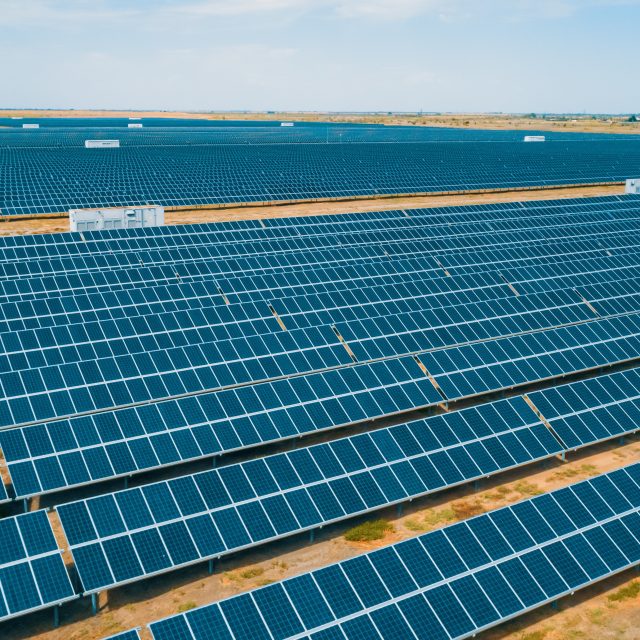
Plug in solar panels may be available to use in the UK as the government is trying to accelerate the generation and use of renewable energy by speeding up discussions with retailers in supplying them. They are already widely used in other countries. There are also new rules on implementing the Future Homes Standard. It includes requirements for the majority of new homes to be built with solar panels and clean heating as standard, from March 2028. The FHS is claimed to reduce greenhouse gas emissions by 75% compared with 2013 standards. A trial has also been announced that will allow energy suppliers to sell households and businesses energy at a discounted rate during periods when wind farms are currently paid to switch off due to constraints in the supply system. The trial is in areas in Scotland and the East of England.
Octopus shows data that heat pumps cost less to run (UK)
This is an interesting way to try to combat some of the negative claims made about the cost effectiveness of heat pumps. Octopus say the data is based on real time performance data from its Cosy heat pumps installed in real British homes. It claims that 80% of their heat pumps have been cheaper to run over the last year than a gas boiler, saving on average £219 a year compared with gas. It also says that the heat pumps produced 11% more heat per pound than gas. You can see the data dashboard here.
Planning rules to be relaxed for small wind turbines (England)
Under the proposed changes to permitted development rights, businesses, including land-based businesses, and public sector organisations can install one turbine of up to 30 metres without submitting a full planning application. Current rules restrict turbine height to 11.1 metres. If you would like to discuss how renewable energy projects might reduce your energy costs, please contact Anthony Field, joint head of our energy, nature and net zero team.
Welsh Government agrees new sector deal to try to speed up renewable energy schemes (Wales)
The Government hopes the Renewable Energy Sector Deal will be a ‘strategic partnership’ with the energy industry and accelerate deployment of onshore and offshore wind, solar, marine and hydro schemes. It includes 78 commitments, from changes to the planning process to skills training to build and operate new schemes. While the deal has been welcomed by the energy industry, reaction from other political parties has been, perhaps inevitably, mixed or critical.