Improving the water resilience of farming businesses
As periods of drought become more common, water security is rising up the agenda for UK farmers. We explore how businesses can improve their water resilience.
Water has traditionally been viewed by many farmers as a utility that is simply there.
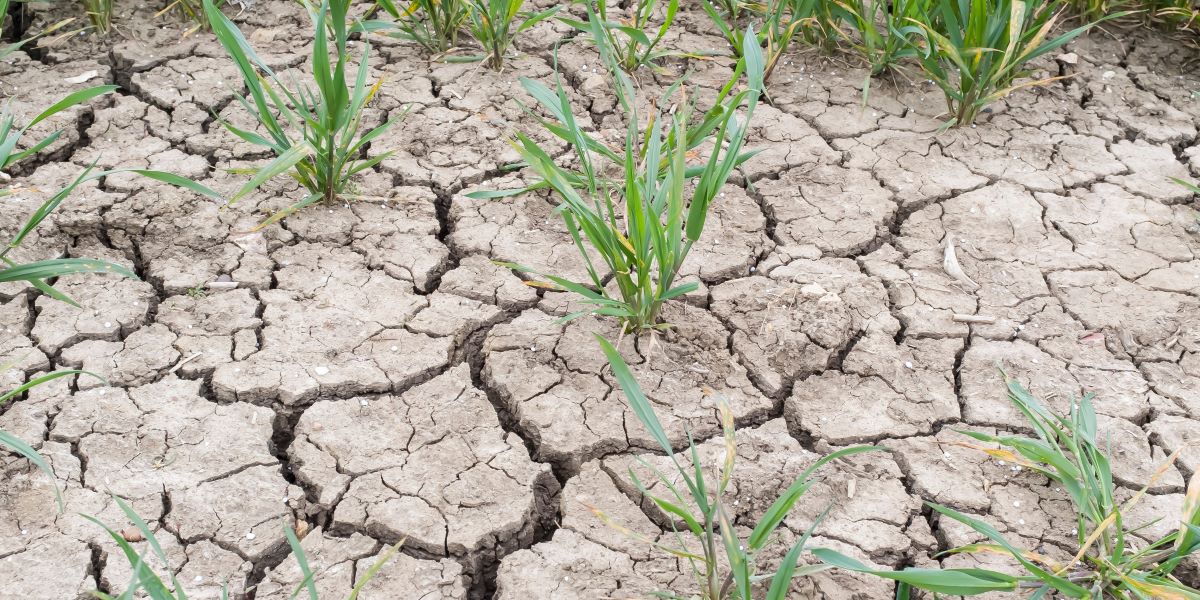
However, with the increasing frequency of extreme weather patterns, resulting in prolonged droughts and flash flooding, water security is no longer a given.
A wide range of experts are warning there could be a critical water shortage in the UK in the next 25 years.
This means for farmers, there needs to be a fundamental shift in how they view their water resources.
It is no longer just about having a mains-fed trough in the field or assuming you can abstract from a local river indefinitely.
It’s about creating systems that reduce the volume of water required and protect your land, crops and livestock from the extremes of the weather.
Diversifying the source
Building resilience starts with diversifying where water comes from, with the aim of reducing cost and reducing the risk of supply interruptions.
We are helping clients look at the full spectrum of available resources. This ranges from the installation of large-scale rainwater harvesting systems to capture winter surpluses, to the strategic drilling of boreholes and the restoration of natural springs.
However, sourcing water is only half the battle as managing it is where many businesses lose money. Undetected leaks in aging infrastructure can lead to significant financial waste and potential environmental hazards.
A comprehensive audit of mains water management – identifying leaks and optimising distribution – can be a quick way to improve a farm’s bottom line.
The soil-water connection
While infrastructure is vital, the most effective water management system on a farm is the soil itself, as the more organic matter and structure a soil has, the better it acts as a sponge.
Healthy soils infiltrate water more effectively during heavy rainfall, reducing runoff and erosion, while retaining that moisture longer during dry spells. By focusing on regenerative practices, farmers can essentially build a natural reservoir beneath their feet.
Grants and investment advice
Strutt & Parker supports farmers to secure the necessary permissions for new water infrastructure and to identify potential funding streams.
For example, we have secured grants through the Farming Equipment and Technology Fund (FETF) to help farmer invest in rainwater harvesting and more efficient irrigation systems. The Sustainable Farming Incentive (SFI) supports actions to improve soil health, while the Capital Grants scheme includes options to help address water quality issues. There can also be grants available from your water company and other localised schemes.
Whether it is securing permissions for new boreholes or leveraging grants for environmental improvements, the goal is to move from a reactive approach to a proactive strategy.To find out how a member of our farming team can help, contact Natalie Gaibani.