Health & safety update | Spring 2026
Welcome to this quarter’s health and safety update. In this edition, we look at managing the hidden health risks from livestock when inviting the public on to farms.
Springtime farm visits – managing the hidden health risks from livestock
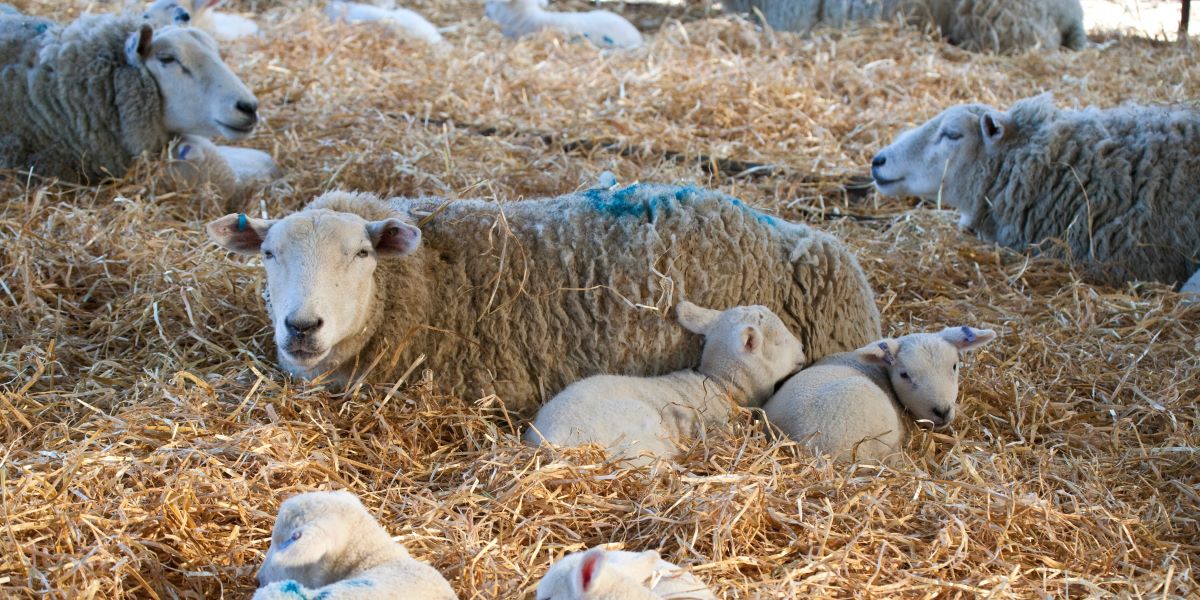
As spring arrives, many farms and estates have begun welcoming visitors again. Lamb feeding, open farm events and animal-based experiences are hugely popular with families.
Alongside the enjoyment, however, there is a less visible risk: zoonotic diseases. These are infections that can pass from animals to humans caused by bacteria or organisms that are harmless to animals, but capable of causing illness in people.
Common examples include E. coli O157, Cryptosporidium, Salmonella and Campylobacter. Infection typically occurs through hand-to-mouth contact after touching animals, contaminated surfaces, bedding or footwear.
The risk is greatest where visitors handle animals, bottle-feed lambs or calves, or spend time in enclosed barns. Young children, older adults and pregnant women are particularly vulnerable.
Farm visits provide enormous educational and social benefits and should absolutely continue. However, sensible precautions are essential to prevent illness.
In November 2025, a farmer on the Isle of Wight was prosecuted following a major outbreak of cryptosporidiosis.
More than 260 visitors became ill after participating in lamb and goat bottle-feeding sessions. Investigators identified several failings, including:
- Inadequate handwashing facilities
- Poor visitor information about hygiene risks
- Insufficient supervision of animal contact
The operator was fined £8,000 under the Health and Safety at Work etc. Act 1974.
Key considerations for estates, farmers and landowners
Where livestock contact may occur, the following controls are essential:
- Carry out a risk assessment covering zoonotic diseases
- Keep eating areas separate from animal contact zones
- Provide proper handwashing facilities (hot water, soap and hygienic drying)
- Ensure supervision of animal feeding or handling activities
- Display clear visitor signage explaining hygiene requirements
- Make sure staff understand the risks and control measures
- Note that alcohol hand gel alone is not effective against some organisms, including Cryptosporidium. Proper handwashing is essential.
Health & safety in farming – key facts
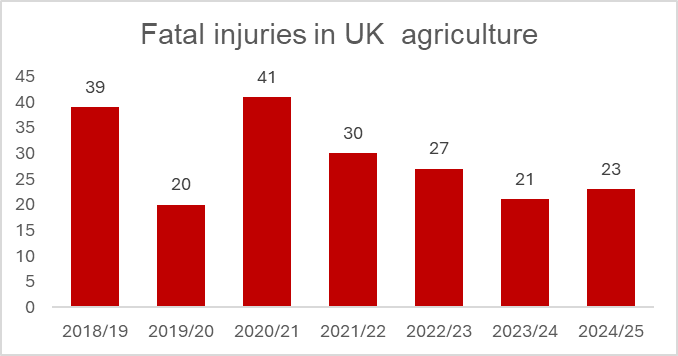
Agriculture consistently records one of the highest fatal injury rates of any industry in Great Britain, according to the Health & Safety Executive (HSE). Despite the farming sector representing just 1% of the workforce, it accounts for around 20% of all workplace deaths.
Key statistics:
- 23 fatalities in 2024/25 in Great Britain – similar to the 5-year average
- 27 fatalities in 2022/23
- The fatal injury rate is around 20–22 times higher than the all-industry average
The main causes of fatal incidents:
- Machinery and vehicles
- Livestock (particularly cattle)
- Falls from height
- Contact with electricity
Useful Resources
Strutt & Parker can provide clients with practical, realistic advice health and safety advice. For more details, contact Gulliver Hedley.
However, recognising the growing pressures facing rural businesses – including the impact that mental health issues can have on health and safety – here are some other trusted sources of support:
Farm Safety Foundation (Yellow Wellies): A charity providing resources, training and campaigns to promote safer working practices in farming.
National Association of Agricultural Contractors (NAAC) – A trade body running sector-wide safety initiatives relevant to contractors and the wider rural industry.
Health and Safety Executive: Publishes Agriculture Information Sheets (AIS) offering clear, practical guidance on tackling real-world risks on farms and estates.
Mates in Mind: A charity offering free guidance and support for individuals struggling with mental health, including advice on how to support others.