Rising fuel and fertiliser costs demand a proactive response
Escalating fuel, fertiliser and energy costs are set to place even greater pressure on farm margins in the months ahead.
The conflict in the Middle East has driven sharp increases in oil prices, with red diesel almost doubling from around 72p/litre to almost 140p/litre at peak.
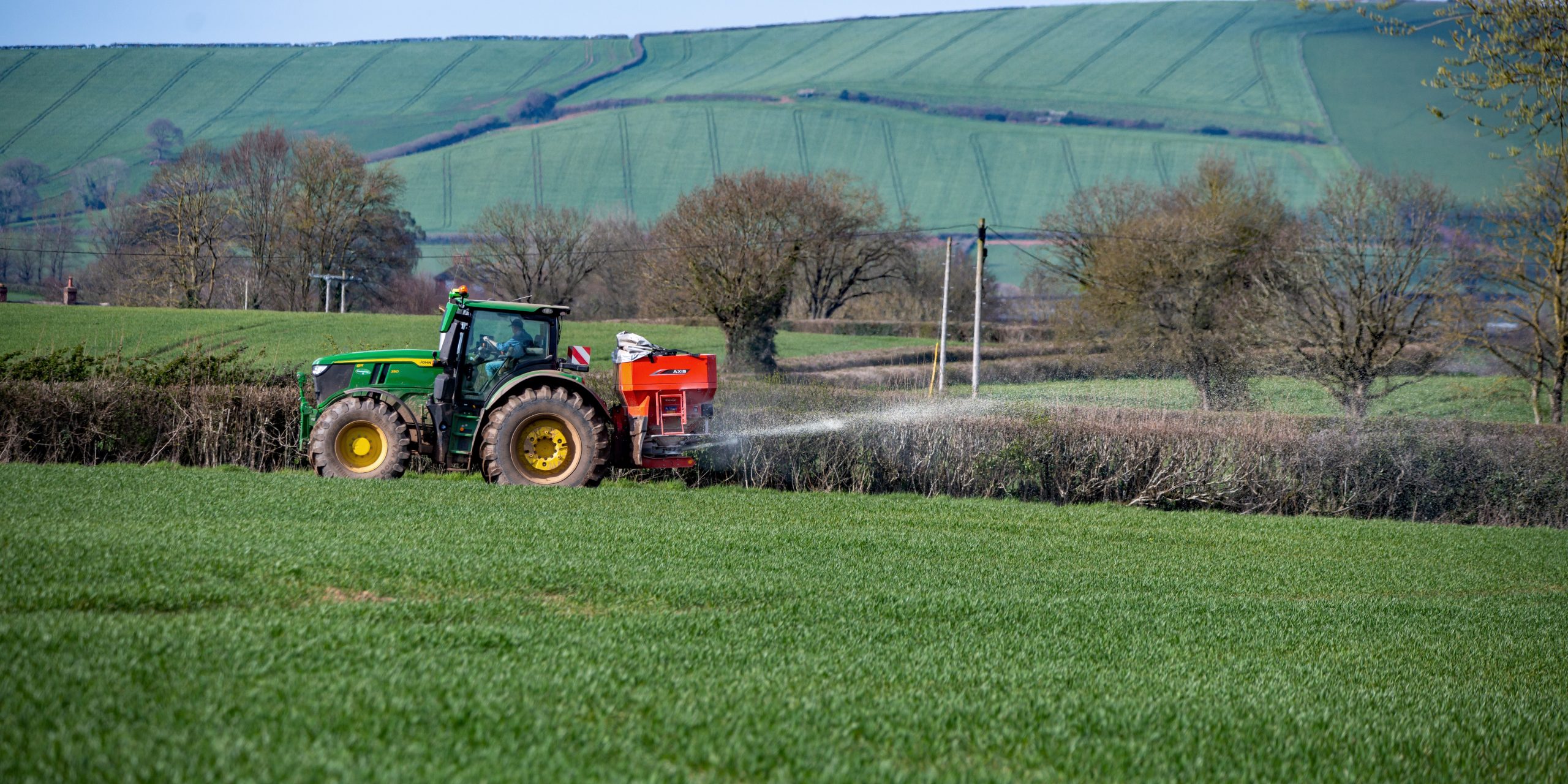
Fertiliser spot prices have also increased by around 30-40%, reflecting higher gas prices and disruption to shipping routes.
Despite the current tentative ceasefire, many of these costs are now baked into the arable season. Strutt & Parker estimate the implications for a medium-sized 250ha arable enterprise as follows:
- If red diesel prices remain near to current levels, operating costs on arable farms will rise by an estimated £50/ha, which is equivalent to around 10% of an arable farm’s gross profit.
- Although most arable farmers will have bought their fertiliser for this season, there is growing concern about where prices may settle for 2027 supplies, given the volatility in the global gas and oil markets.
- A key difference from 2022 – where input prices surged in response to the war in Ukraine, but commodity prices also rose to historic levels – is that output prices today remain relatively subdued.
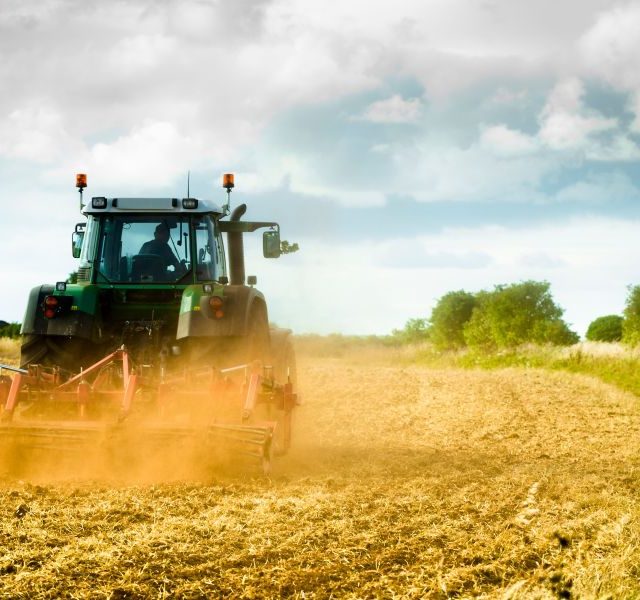
- With many farming businesses currently engaged in spring drilling and other fieldwork, including spraying, the higher fuel costs will already be reflected in production costs. Even if red diesel prices ease, farm profitability for 2025/26 is likely to be significantly affected.
This renewed pressure comes at a time when margins were already under strain.
Defra’s most recent Farm Business Income (FBI – a measure of profit) projections, published last month (before the price surge), highlight the scale of the challenge facing the sector.
Average FBI for cereal farms for the year to February 2026 was already forecast to fall by two thirds to £17,000 – the lowest level since records began in 2004/05. For a medium-sized, 250ha arable farm, the additional cost of fuel could deplete this further to just £5,000 if there is no uplift in grain prices. According to a study by Strutt & Parker in 2025, the economically sustainable profit for a farm is estimated to be £34,500, similar to the median household income.
This situation follows a run of difficult years, with combined income for 2023/24, 2024/25 and 2025/26 (£41,500, £49,700, and £17,000 respectively) still falling short of the £143,300 recorded in 2022/23, a year when grain prices were forced up by conflict in the Ukraine – one of the world’s most prolific sources of milling wheat.
Since the Ukraine War started, there has been a global over-supply of wheat, with some traders estimating that the UK was oversupplied by as much as 2m tonnes in 2025 and this could be over 1m tonnes again this year. This means we are unlikely to see a price surge to mitigate these rising input costs for farmers.
It has never been more important to review your farming strategy, with time invested in budgeting, cashflow forecasting and identifying ways to manage risk now critical to building business resilience.
Key areas to investigate include machinery and labour costs, overheads, borrowing levels and realistic profit requirements.
Farming businesses will also need to become increasingly agile, for example by building contingency plans into cropping rotations and input use strategies.
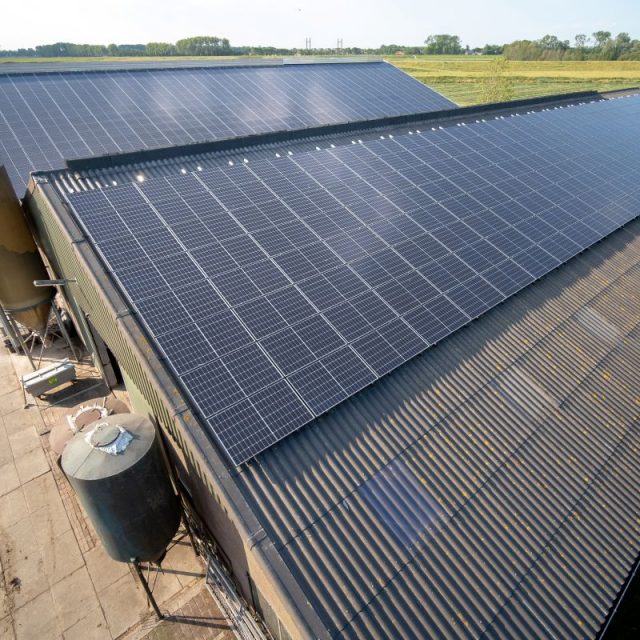
At the same time, growers should also be looking at all opportunities to generate additional income – from the Sustainable Farming Incentive (SFI) and diversification to renewable energy projects.
There is also scope for stacking income streams, with funding emerging from new sources such as retailers who are keen to fund farm carbon reduction, alongside private investors seeking natural capital opportunities for their portfolios.
If you would like to talk to one of our farming specialists about ways to mitigate rising costs and build greater business resilience, please contact Natalie Gaibani, Ian Ashbridge or Rob Wilkinson.